

Japanese beauty brands continue to impress with their innovative approach to skincare and makeup, a trend that shows no signs of waning in 2026. These products, skillfully crafted, embody a harmonious blend of nature’s wisdom and scientific advancements.
When it comes to skincare, serums are particularly noteworthy. Many formulations now deliver on their promises, providing tangible results that truly enhance one’s beauty regimen. Foundations have evolved as well; the latest offerings boast a lightweight feel, almost as if you are wearing nothing at all, yet they offer impressive coverage, all with an effortless application.
What is fueling this evolution? A commitment to quality and efficacy, along with a deep curiosity about how different ingredients can enhance our skin. Brands are increasingly focused on the fusion of traditional practices and modern science, drawing from Japan’s rich heritage while utilizing the latest research findings.
In exploring the most popular products of 2026, it’s essential to pay attention to what stands out. Seek those that not only attract your interest but also align with your skin’s unique needs. Knowledge is your guide, enabling you to make informed decisions on the items that rightfully deserve a place in your beauty routine.
Let your journey into this enchanting world be marked by discovery and growth, where the rituals of beauty transform not just your appearance but also your connection with the art of self-care.
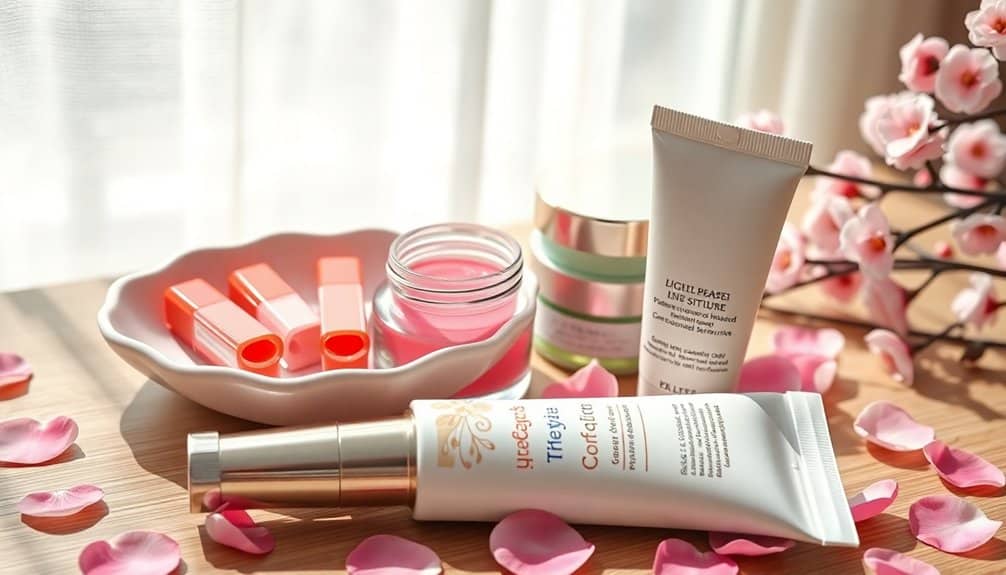
In the realm of beauty, Japan’s skincare and makeup offerings are truly exceptional. Melding ancient practices with modern science, these products deliver visible results that elevate one’s natural beauty. They serve not merely as cosmetics, but as essential companions on your journey towards healthy, vibrant skin.
Take for instance, the Lancôme Genifique Ultimate Serum, a standout at the 2025 @cosme Best Cosme Awards, clinching first place with the support of approximately 1.5 million reviews. This endorsement speaks volumes about its effectiveness. Following closely is RMK Treatment Oil, which earned a well-deserved second spot, while Guerlain Abeille Royale Youth Watery Oil Serum showcased its merits in third place. For those seeking youthful skin, I advise the Shiseido Ultimune Power Infusing Serum, known for its focus on anti-aging and hydration. Don’t overlook SK-II Genoptics Infinitaura Essence either, as it consistently appears on numerous top-ten lists.
When it comes to toners, Kanebo Skin Optimizer stands out at the forefront. In second position, you will find Sofina iP Treatment Lotion, with Sekkisei Brightening Essence Lotion securing the third spot. The long-revered SK-II Facial Treatment Essence continues to shine for its ability to brighten and refine skin texture. Kose Sekkisei Herbal Gel introduces a beautiful blend of herbal ingredients, perfect for hydration.
For those inclined towards creams, Decorté Liposome Advanced Repair Cream is notable, having claimed the top rank for face creams. Sofina iP Night Treatment Cream follows in second, while Estée Lauder Aqua Charge Milky Creme takes third. If sensitivity is an issue, Curél Intensive Moisture Cream employs ceramides to restore the skin barrier. Hada Labo Gokujyun Premium Lotion, with its unique blend of hyaluronic acid, infuses deep moisture.
In the category of oils and balms, One by Kose Serum Shield has emerged as the leader, complemented by Minon Amino Moist Aging Care Oil in second place. Neal’s Yard Remedies Wild Rose Beauty Balm rounds out the top three. For gentle yet effective makeup removal, DHC Deep Cleansing Oil remains a favorite, utilizing olive oil for a nourishing cleanse. Shiseido Elixir Day Care Transformation Tone Up SPF50+ marries skincare with sun protection flawlessly. The Attenia Skin Clear Cleanse Oil has captured attention for its pleasant scent and remarkable effectiveness in removing makeup.
Sheet masks have earned their rightful place in daily routines. The Ishizawa Laboratories Keana Nadeshiko Rice Mask took the top slot on Don Quijote’s must-buy list for 2026. In ninth place, Lululun Hydra-EX-Mask shows its popularity, while their regular masks are frequently sold out. Suisai Beauty Clear Powder offers an innovative enzyme cleansing experience, with Cure Aqua Gel gaining accolades from beauty connoisseurs at Vogue Singapore.
Cult favorites are not to be overlooked either. The Heroine Make Long & Curl Mascara Advanced Film upholds its status with a waterproof and smudge-proof formula. Meanwhile, Biore UV Aqua Rich Watery Essence SPF50+ PA++++ revolutionizes sun care with its lightweight and barely-there sensation. These products are recognized for their true effectiveness, results that speak louder than mere marketing.
Japanese beauty products emphasize a philosophy of prevention over mere correction, favoring gentle formulations enriched with natural and organic ingredients. In this culture, the multi-step skincare approach is common; it involves layering lightweight essentials like essences, serums, and lotions instead of heavy creams. This method prioritizes skin health and barrier protection, with most cosmetics being crafted to feature minimal fragrance and synthetic additives. Interestingly, a significant 72% of Japanese consumers take the time to verify product contents before making a purchase, which drives brands to adhere to stringent quality standards and maintain transparent ingredient lists. There is a noticeable demand for scientifically-supported formulations that tackle specific concerns such as aging and sensitive skin, backed by extensive research and meticulous development.
On average, Japanese households allocate about ¥78,500 (around $530) toward beauty products each year as of 2023, a figure that surpasses the Asia-Pacific regional average by 37%. This heightened expenditure reflects a beauty-conscious culture where 83% of women incorporate at least five skincare products into their daily routines. Brand loyalty is strong, prompting consumers to invest in complementary products like serums, cleansing oils, sheet masks, and specialized lotions. As disposable incomes rise, so too does the demand for premium and scientifically-backed formulations, particularly among those seeking effective anti-aging solutions and gentle options for sensitive skin.
There has been a noticeable uptick in the popularity of natural and organic cosmetics in Japan. According to the Japan Consumer Affairs Agency, sales of certified organic cosmetics soared by 23.5% between 2021 and 2023. The sector boasts a commendable 6.10% compound annual growth rate (CAGR), driven by a growing awareness of health and a preference for items with natural components. Around 58% of Japanese consumers express readiness to pay a premium for products that are free from synthetic ingredients. This trend aligns seamlessly with the broader wellness movements, as individuals incorporate cosmetics into their holistic health regimens and seek gentle, fragrance-free options that nurture skin barrier health and overall well-being.
Japan’s beauty and personal care market demonstrates promising growth across various segments, with differing projections for the future. The overall market is anticipated to expand at a 7.4% CAGR from 2026 to 2032, reaching a remarkable USD 80.7 billion by that time. Specifically, the cosmetics market is projected to grow at a CAGR of 5.8%, aiming for USD 52.7 billion by 2032. While premium beauty segments are expected to grow at a more moderate rate of 1.75% CAGR through 2030, these figures reflect increased consumer spending habits, an aging population seeking anti-aging remedies, and a rising demand for advanced formulations that contain natural ingredients.
E-commerce has emerged as a significant player in the Japanese cosmetics market, becoming a vital catalyst for growth and innovation. Digital platforms provide brands with the opportunity to deliver tailored customer experiences through advanced technology and personalized recommendations. The rapid rise of online beauty retail coincides with changing consumer preferences for convenience and the ability to research products. With 72% of Japanese consumers diligently verifying product contents before purchase, the detailed information and reviews accessible online enhance their shopping experience. E-commerce supports the growing trend of personalized beauty, allowing individuals to find products that cater to specific skin needs and integrate beauty purchases into broader wellness practices.
The male grooming segment is becoming an increasingly diversified category within Japan’s beauty market. This evolution reflects changing societal norms and a broader acceptance of skincare and cosmetics among men. As beauty products become less defined by gender, more Japanese men are adopting multi-step skincare routines and looking for solutions that address specific concerns like aging, skin texture, and sun protection. The normalization of male beauty rituals contributes positively to the growth of the market, prompting brands to create specialized product lines and marketing strategies that resonate with male consumers who prioritize skin health and a polished appearance.
Japan’s aging population plays a critical role in shaping beauty market trends, significantly driving the demand for premium anti-aging solutions. Elderly consumers are increasingly in search of scientifically-supported formulations that target age-related skin concerns, such as fine lines, loss of elasticity, and hyperpigmentation. This demographic also values products that are gentle and fragrance-free, suitable for sensitive and thinning skin. Market responses include advanced serums, intensive moisturizers, and barrier-repair products backed by clinical research. There is a particular focus on premium anti-aging categories, as mature consumers with higher disposable incomes invest in preventative care and maintenance items that support healthy skin aging. The anti-aging market has been growing at a rate of 4.3% annually since 2020, reflecting the sustained demand from this demographic.
Japan holds a strong position in the global cosmetics trade, ranking 10th in imports and 9th in exports as of 2021. Cosmetics imports are projected to reach $4.2 billion by 2026, growing at an annual rate of 1.8%, which reflects an increasing appetite for international premium brands and specialized ingredients. On the other hand, exports are expected to show more vigorous growth, predicted to reach $7.8 billion by 2026, with a 4% average annual growth rate. China is a significant market for exports, exhibiting a robust projected CAGR, driven by strong interest in Japanese beauty products, which are well-regarded for their quality and innovation.
The common practice of using multiple skincare products in Japan stems from a deeply ingrained beauty philosophy centered on prevention. It’s not unusual for 83% of women to rely on at least five skincare products each day. This layering technique involves a sequence of application, starting with cleansing oils, followed by essences, serums, lotions, and finally protective creams, to enhance absorption and maximize benefits. Each product plays a distinct role, addressing hydration, brightening, anti-aging, or barrier protection. A strong sense of brand loyalty inspires consumers to develop comprehensive routines with complementary items such as sheet masks and specialized treatments. This approach favors gentle, consistent care over aggressive procedures, aligning beautifully with cultural preferences for natural-looking skin and long-lasting health.
The premium beauty segment is projected to expand, aiming for USD 13.96 billion by 2034. This growth is largely driven by consumers seeking scientifically advanced formulations known for their efficacy. Rising disposable incomes allow for the purchase of high-end products that feature innovative ingredients, sophisticated delivery systems, and thorough research backing. A large portion of Japanese consumers exhibit a willingness to invest in quality, with 58% ready to pay a premium for goods free from synthetic components. The aging demographic significantly boosts demand for luxury anti-aging solutions that promise visible results. Premium brands take advantage of Japan’s esteemed reputation for quality manufacturing, offering exclusive formulations that blend traditional botanical ingredients with modern biotechnology, appealing to discerning consumers who prioritize both effectiveness and safety.
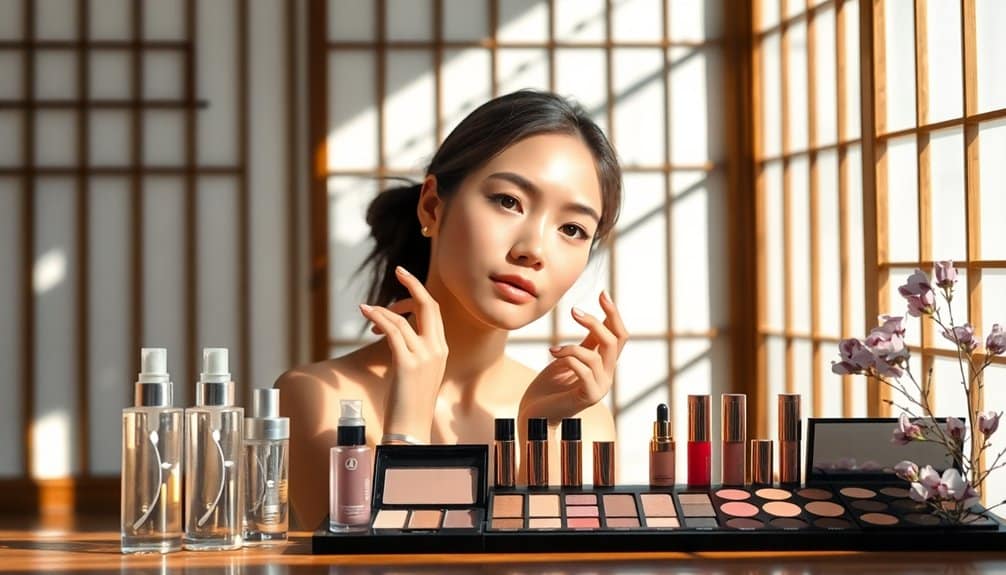
The beauty landscape in Japan is gracefully evolving, merging innovation with the cherished traditions passed down through generations. Many brands are now turning to clean formulas, steering clear of harsh chemicals. Instead, they celebrate the gentle power of natural ingredients like rice bran and green tea, which have long been revered for their benefits.
Sustainability is at the forefront of this transformation. Recyclable packaging has become essential, aligning with a growing desire for eco-friendly choices steeped in mindfulness for our planet.
As technology advances, we see an exciting shift. Virtual try-ons allow individuals to explore looks without the usual commitment, fostering a playful yet practical approach to beauty. Personalized recommendations now curate products that cater to one’s unique skin needs, making beauty more accessible and tailored to each person.
Social media platforms like Instagram play a significant role in product discovery. Influencers provide insight into effective products, guiding choices with genuine experiences.
Embracing multi-functional products is a wise move, as they save both time and precious shelf space. Consider eye makeup enriched with peptides or moisturizing lip colors, these innovations not only enhance your beauty but also simplify your routine. The nail polish industry is evolving as well, ensuring formulations address past concerns, creating safer options. This minimalist approach reflects the “less is more” philosophy that emphasizes high-quality, concentrated formulas over an abundance of products.
This evolving beauty narrative emphasizes personalization, a spirit of modernity, and a kind approach toward our environment, all while honoring the timeless practices of Japanese skincare. Each step reveals a deeper understanding of beauty that is both modern and rooted in tradition.