

Skincare lovers often wonder which approach works best: the dewy, luminous promise of Korean beauty or the simple, long-lasting focus of Japanese beauty. Both methods have earned loyal fans around the world, yet they take very different paths to healthy, glowing skin. One emphasizes layering products for instant radiance, while the other champions fewer steps for lasting strength. Understanding what sets them apart helps anyone make smarter choices for their unique skin needs.
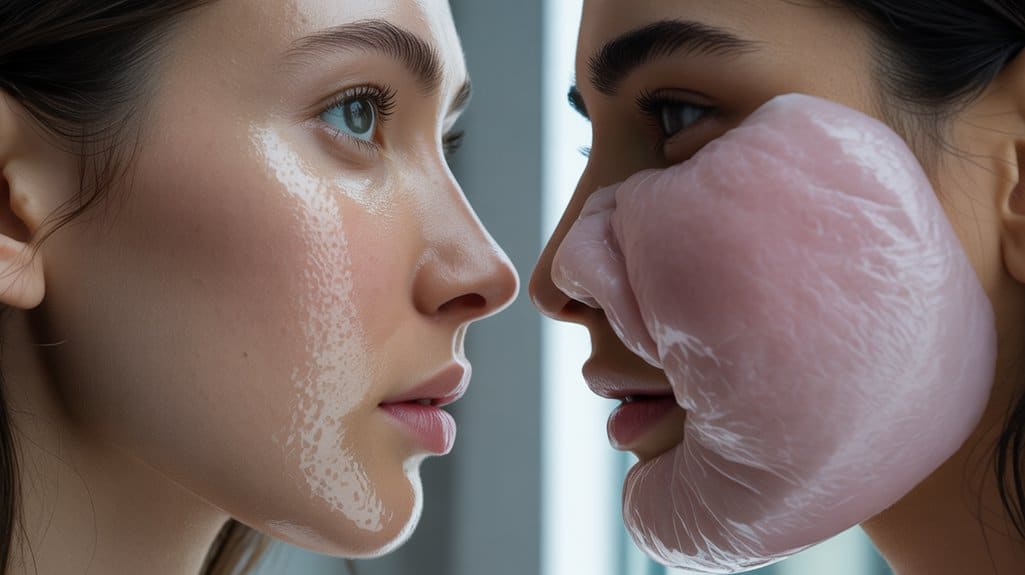
When someone hears the phrase “glass skin” or “mochi skin,” it might sound like poetic terms for desserts rather than skincare goals. Yet these concepts reveal distinct paths to beautiful skin. Korean beauty pursues that glossy, ultra-dewy appearance—think reflective shine and serious glow enhancement. This requires layered hydration techniques with multiple products. Japanese beauty takes a different route, seeking soft, matte perfection that feels smooth like the rice cake it’s named after. The focus stays on natural texture and protection. Each philosophy offers freedom to choose what matches personal preference and lifestyle needs.
Although both Korean and Japanese beauty routines aim for healthy skin, they take dramatically different paths when it comes to product application. K-Beauty incorporates layering multiple product textures—toners, essences, serums, and ampoules—each adding hydration. This approach uses specific application techniques like patting and pressing to seal in moisture. J-Beauty keeps things simpler with three to five focused steps. Instead of piling on layers, it selects efficient formulas that work harder. Think of K-Beauty as building moisture brick by brick. J-Beauty chooses a strong foundation from the start. Both paths lead to radiant skin through different strategies.
The layering strategy each routine employs naturally depends on what’s inside those bottles and jars. K-Beauty loves moisture ingredients that flood skin with hydration fast. Think hyaluronic acid and glycerin pulling water into your face like tiny sponges. J-Beauty champions barrier ingredients that shield and strengthen over time. Ceramides rebuild your skin’s natural armor, keeping irritants out and moisture locked in.
| Focus | K-Beauty | J-Beauty |
|---|---|---|
| Goal | Instant plumpness | Long-term resilience |
| Key Players | Hyaluronic Acid, Snail Mucin | Ceramides, Rice Extract |
| Feel | Dewy glow | Smooth protection |
Choose what your skin craves most.
Cleansing sets the stage for everything that follows in a skincare routine. K-Beauty champions gentle, pH-balanced cleansing techniques that protect your skin’s natural barrier. These formulas keep things slightly acidic, matching healthy skin. This helps lock in moisture from the start. J-Beauty takes a different path. Deep purification is the goal here. Thorough cleansing removes every trace of dirt and buildup. This creates a clean canvas for protective products. While K-Beauty whispers softly to your skin, J-Beauty believes in a complete reset. Understanding pH importance helps you choose what works best for your lifestyle and preferences.
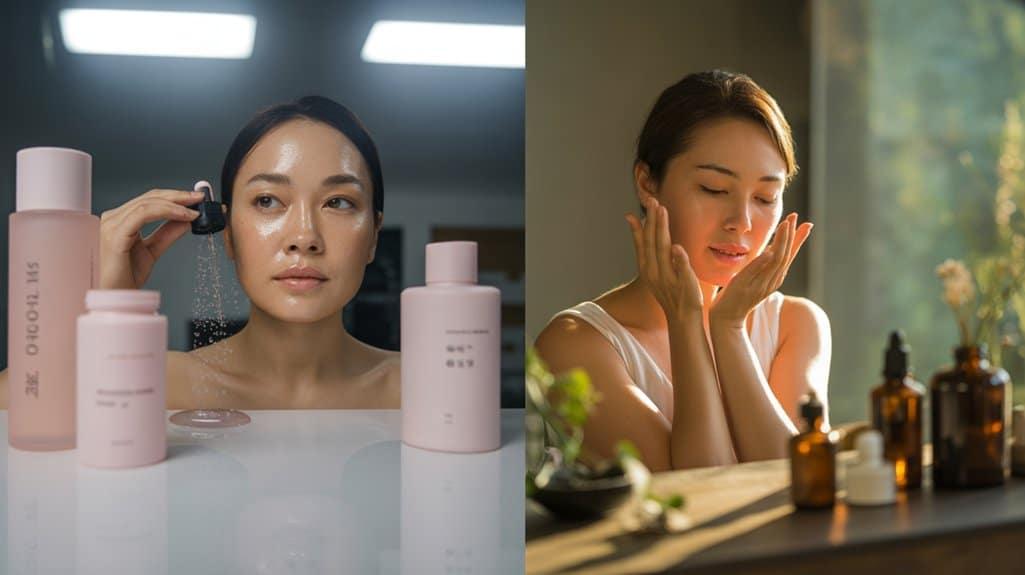
Beyond cleansing methods, these two beauty philosophies differ dramatically in how quickly you’ll see changes. K-Beauty delivers an immediate glow that alters your complexion overnight. Those layers of essences and serums create visible dewiness fast, perfect when you need quick results. J-Beauty takes a different path entirely. It focuses on resilience building, strengthening your skin’s foundation gradually. You might not see dramatic changes right away, but your skin becomes healthier over time. Think of it this way: K-Beauty gives you instant radiance, while J-Beauty builds lasting strength. Choose based on whether you want rapid alteration or enduring protection.
Your skin’s current condition determines which approach will work best for you. K-Beauty suits dry skin and dehydrated skin tones beautifully, delivering intense moisture that changes dullness into radiance. It also benefits aging skin seeking plumpness and glow. J-Beauty excels for sensitive skin and damaged barriers needing gentle repair. Those with combination skin often find J-Beauty’s balanced approach ideal. Oily skin types may prefer J-Beauty’s matte finish over K-Beauty’s dewiness. Acne-prone skin responds well to J-Beauty’s barrier-strengthening focus, though K-Beauty’s hydration can help when breakouts cause dryness. Choose based on your specific needs.
Choosing between these two skincare philosophies resembles picking between fast relief and slow building. The rain shower approach of K-Beauty delivers instant results, drenching skin with moisture for immediate glow. It’s perfect when you want visible changes now. Meanwhile, the greenhouse metaphor captures J-Beauty’s protective strategy, sheltering skin while strengthening its natural defenses over time. This method rewards patience with lasting resilience.
Your choice depends on personal goals and skin needs. Craving quick change? K-Beauty delivers. Seeking enduring health and prevention? J-Beauty builds foundations. Many individuals combine both approaches, using K-Beauty’s hydration boost alongside J-Beauty’s barrier protection for complete care.
Rather than viewing these philosophies as competing choices, many skincare enthusiasts blend K-Beauty and J-Beauty methods to create personalized routines. This freedom allows individuals to select what works best for their unique needs. Hybrid strategies might combine K-Beauty’s hydrating layers with J-Beauty’s protective ceramides. Someone could use Korean essences for immediate glow while incorporating Japanese barrier-strengthening products for long-term health. The key is experimenting to discover which elements address specific concerns. This customized approach enables individuals to build routines that honor both instant results and lasting resilience, creating a balanced path forward.
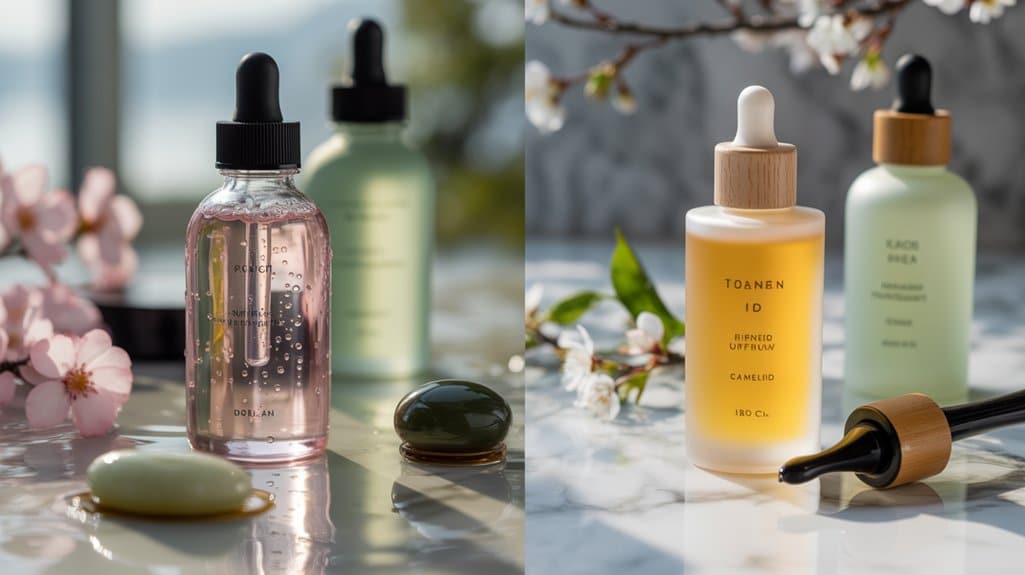
The primary distinction lies in their aesthetic goals and methodology. K-Beauty focuses on achieving intensely hydrated, dewy “Glass Skin” through multiple layered products containing ingredients like hyaluronic acid and snail mucin. J-Beauty prioritizes a natural, matte “Mochi Skin” finish with minimalist routines of 3-5 steps that emphasize long-term barrier protection using ceramides. While K-Beauty delivers immediate visible glow and alteration, J-Beauty takes a preventive approach centered on building skin resilience and foundational health over time.
J-Beauty is generally more suitable for sensitive or compromised skin barriers. The minimalist approach reduces potential irritation from excessive product layering, while the focus on ceramides specifically targets barrier repair and strengthening. J-Beauty’s protective philosophy helps prevent future sensitivity issues by building skin resilience. However, individuals with sensitive yet dehydrated skin might benefit from incorporating selective K-Beauty hydrating products. The key is understanding your skin’s specific needs rather than following one philosophy exclusively.
Combining both approaches can create a comprehensive skincare routine that addresses multiple needs. You might use J-Beauty’s ceramide-rich products for barrier protection while incorporating K-Beauty’s hydrating essences for moisture. A hybrid routine could include J-Beauty’s minimalist cleansing foundation with K-Beauty’s layered hydration steps. The key is identifying which aspects of each philosophy serve your skin type best. Start with a simplified base and gradually introduce products while monitoring how your skin responds to the combination.
K-Beauty typically delivers visible improvements in skin texture and glow within days to weeks, making it ideal for those seeking rapid alteration. The immediate hydration boost from layered essences and serums creates noticeable plumpness and dewiness quickly. J-Beauty results develop more gradually over weeks to months as barrier strength improves and skin resilience builds. While the preventive nature of J-Beauty means less dramatic immediate changes, the long-term benefits include sustained skin health and reduced sensitivity issues.
Glass Skin refers to an extremely smooth, luminous complexion that appears almost translucent and reflective like glass. This coveted K-Beauty aesthetic is achieved through intensive hydration using multiple layers of watery essences, serums, and moisturizers. The skin appears plump, poreless, and reflects light evenly across the face. Key ingredients like hyaluronic acid, glycerin, and fermented extracts work together to create this dewy, hydrated appearance. Glass Skin represents the ultimate expression of K-Beauty’s focus on moisture and immediate visual alteration.
Mochi Skin describes a soft, smooth, bouncy complexion that resembles the texture of Japanese mochi rice cakes. Unlike the dewy Glass Skin, Mochi Skin has a naturally matte finish with subtle suppleness and even tone. This J-Beauty ideal emphasizes skin that feels resilient, healthy, and balanced rather than overtly glowing. The texture is achieved through barrier-strengthening ingredients like ceramides and minimalist routines that support long-term skin health. Mochi Skin reflects J-Beauty’s preference for understated, natural beauty and foundational wellness.
J-Beauty’s minimalist approach and matte finish philosophy generally suits oily and acne-prone skin better. The lighter product layering reduces pore congestion risk, while ceramides help maintain balanced barrier function without excess oil production. However, dehydrated oily skin might benefit from K-Beauty’s hydrating essences to prevent compensatory sebum production. The key is avoiding heavy K-Beauty products that could overwhelm oily skin while incorporating lightweight hydrators. Consider J-Beauty as the foundation with selective K-Beauty hydration products as needed.
Both beauty philosophies offer products across various price ranges, making cost dependent on specific brands rather than the approach itself. K-Beauty often requires purchasing multiple products for layering, which can increase overall expense despite individual items being affordable. J-Beauty’s minimalist routine requires fewer products, potentially lowering total cost even with higher per-item prices. Quality formulations exist at different price points in both categories. The investment should align with your skincare goals, skin type needs, and budget constraints rather than following one philosophy exclusively.
Yes, cleansing philosophies differ significantly between the two approaches. K-Beauty emphasizes pH-balanced, gentle cleansing and popularized the double-cleanse method to remove makeup and impurities while maintaining hydration. The focus is on preserving moisture and preparing skin for layered products. J-Beauty stresses thorough, sometimes stricter cleansing to achieve a “squeaky-clean” base that’s receptive to protective treatments. This preparation-focused cleansing ensures barrier-supporting products can work effectively. Both methods reflect their respective priorities: K-Beauty’s hydration retention versus J-Beauty’s protection foundation.
Beginners might find J-Beauty’s minimalist 3-5 step routine more approachable and less overwhelming than K-Beauty’s extensive layering. The simplified approach reduces decision fatigue and allows newcomers to understand their skin’s basic needs before adding intricacy. J-Beauty’s focus on barrier health also creates a solid foundation for future skincare exploration. However, those with immediately pressing dehydration concerns might benefit from starting with select K-Beauty hydrating products. The ideal starting point depends on your current skin condition, aesthetic preferences, and willingness to commit to multi-step routines.
When deciding between K-Beauty and J-Beauty, your current skin condition matters most. If you’re battling dryness and want that instant glow, K-Beauty’s layered hydration approach delivers fast results. It’s perfect when skin concerns center around dullness or dehydration. However, if sensitivity or redness troubles you, J-Beauty’s gentle barrier-building method offers lasting comfort. Think about your personal goals too. Do you want quick change or steady protection? Neither path is wrong—they simply serve different purposes. Choose the routine that matches where your skin is right now, not where you wish it could be someday.