

Healthy skin begins with smart choices about treatment. When rough, scaly patches appear on sun-exposed areas, they often signal actinic keratoses—a condition that deserves attention. Diclofenac 3% gel offers a promising solution that works differently from traditional approaches. This topical treatment combines targeted action with gentle care, helping the body address damaged cells while protecting healthy tissue. Understanding how this gel functions opens doors to better skin management and prevention strategies worth exploring further.

Success in treating skin conditions often depends on getting the right medicine to the right place. Diclofenac 3% gel achieves this through smart formulation. The gel contains hyaluronic acid, which acts like a guided transport system. It carries diclofenac through your skin’s protective barrier directly to troubled spots.
This partnership matters because skin absorption determines treatment success. The diclofenac dosage stays concentrated where you need it most—right at damaged cells. Instead of spreading everywhere, the medicine targets specific areas. Think of it as precise delivery rather than scattered application. This focused approach makes the gel remarkably effective for actinic keratoses treatment.
Rough, scaly patches on sun-exposed skin deserve attention—they’re called actinic keratoses. This actinic keratoses overview reveals these spots as potential warning signs. Years of sunshine create these rough areas, often appearing on faces, hands, and arms. Without treatment, some change into serious problems.
Here’s what makes them concerning:
Understanding these risks enables informed decisions. Individuals value knowing their options and taking charge of their health. Recognition leads to action, and action protects the body’s largest organ from harm.
Medical advances often happen when two ingredients work better together than alone. That’s exactly what happens with diclofenac and hyaluronic acid in skin treatment. The combination benefits are remarkable. Hyaluronic acid acts like a helpful guide, carrying diclofenac through your skin’s protective barrier. This partnership improves skin penetration significantly. Think of it as having a skilled navigator who knows the best route to reach problem areas. The hyaluronic acid delivers diclofenac directly where it’s needed most, ensuring the medicine stays active longer. This targeted approach gives you more effective treatment without complicated steps or harsh procedures.
Often, the skin’s natural barrier prevents helpful medicines from reaching their destination. That’s where hyaluronic advantages come into play. This remarkable substance acts like a personal guide, helping diclofenac move through layers that would normally block it. The result? Better skin absorption and freedom from stubborn skin issues.
Here’s how it works:
This partnership gives individuals real control over their skin health, naturally and effectively.
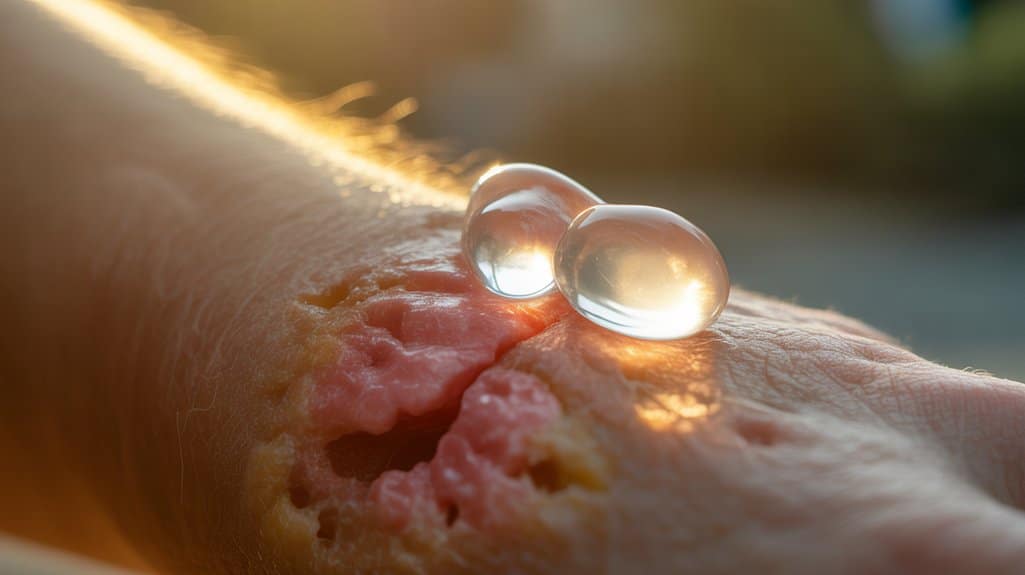
Getting medicine through the skin barrier represents just the first step. The real magic happens when Diclofenac reaches exactly where damage exists. Hyaluronic acid delivers this targeted therapy straight to troubled cells, like a postal worker finding the right address. This precise approach means healthy tissue stays untouched while problem areas get concentrated treatment. The combination supports skin regeneration by focusing power where it counts most. You get freedom from worrying about affecting good cells. The medicine camps out in damaged spots, working continuously to restore health naturally and effectively.
Think about catching a ride across town to visit a friend. You need someone who knows the route and gets you there safely. That’s the taxi metaphor for drug delivery in Diclofenac gel. Hyaluronic acid acts as the driver, carrying the medicine through your skin to reach problem spots.
This smart transportation system offers real benefits:
This approach gives your skin the targeted care it deserves, naturally and effectively.
When Diclofenac gel goes to work on the skin, it doesn’t rush through like a quick fix. Instead, it settles in for the long haul. The hyaluronic acid carrier keeps the medicine right where it belongs, releasing it slowly over time. This means sustained results that stick around, giving your skin the chance to heal properly. The therapeutic duration extends far beyond a single application. Think of it as a gentle, ongoing treatment rather than a one-and-done solution. Your skin gets consistent care, allowing damaged cells to respond naturally without constant reapplication.
Because the gel stays exactly where it’s applied, the medicine doesn’t wander off to places it’s not needed. This localized treatment approach gives you control over your healing journey. You choose the spot. The gel does its work right there.
Targeted therapy offers real advantages:
This focused method respects your body’s natural boundaries while delivering powerful results exactly where you want them.
Diclofenac 3% gel is primarily used to treat actinic keratoses, which are rough, scaly patches on the skin caused by sun damage. These lesions are considered precancerous and can potentially develop into skin cancer if left untreated. The gel works by targeting abnormal cell growth in affected areas, helping to eliminate these precancerous lesions through localized application. This dermatological treatment offers a non-invasive option for managing skin conditions related to sun exposure and abnormal cellular development.
Hyaluronic acid serves as a significant carrier component in diclofenac gel formulations. It enhances the penetration of diclofenac through the skin barrier, ensuring the active ingredient reaches deeper layers where damaged tissue resides. By facilitating targeted delivery, hyaluronic acid maintains high concentrations of the medication at the treatment site and enables sustained release over time. This combination maximizes therapeutic effectiveness by ensuring diclofenac can interact directly with diseased cells while providing prolonged action in the affected area.
Treatment with diclofenac 3% gel typically requires consistent application over several weeks to months for optimal results. Most clinical protocols recommend applying the gel twice daily for 60 to 90 days, though visible improvements may begin earlier. The sustained-release properties of the hyaluronic acid carrier ensure continuous therapeutic action throughout this period. Patient response varies based on lesion severity and individual skin characteristics. Complete clearance of actinic keratoses often requires the full treatment course, with ongoing monitoring by a dermatologist to assess progress.
Diclofenac 3% gel can generally be used on various skin types, though individual tolerance may vary. The formulation is designed for localized application to specific treatment areas rather than broad skin coverage. Patients with sensitive skin or known allergies to NSAIDs should consult their dermatologist before use. The hyaluronic acid component is typically well-tolerated across different skin types due to its natural presence in skin tissue. However, proper evaluation by a healthcare provider ensures the treatment is appropriate for each patient’s unique dermatological needs.
Common side effects of diclofenac 3% gel include localized skin reactions at the application site. These may include redness, dryness, itching, or mild irritation. Some patients experience scaling or peeling as the treatment targets abnormal cells. These reactions are generally mild and indicate the medication is working on the affected tissue. Serious side effects are rare with topical application compared to oral NSAIDs. Patients should report persistent or severe reactions to their healthcare provider, who can adjust treatment protocols if necessary.
For optimal results, apply a thin layer of diclofenac 3% gel directly to the affected area twice daily. Clean and dry the skin thoroughly before application. Use enough gel to cover the lesion and a small surrounding area, typically a coin-sized amount per application site. Gently massage the gel into the skin until absorbed. Wash hands immediately after application unless treating hands. Avoid covering the treated area with bandages unless directed by a physician. Consistent application throughout the recommended treatment duration ensures maximum therapeutic benefit.
Diclofenac 3% gel is designed for defined treatment courses rather than indefinite long-term use. Standard protocols typically involve 60 to 90 days of continuous application for actinic keratoses. The localized application minimizes systemic absorption, reducing risks associated with prolonged NSAID use. After completing a treatment course, dermatologists assess results and determine if additional therapy is needed. Some patients may require repeated courses for new lesions, but each treatment period should be medically supervised to ensure safety and effectiveness while monitoring for any adverse reactions.
Diclofenac gel treats existing actinic keratoses, which are precancerous lesions that could potentially progress to skin cancer. By eliminating these abnormal growths, the gel reduces the risk of cancer development from treated lesions. However, it does not prevent new sun damage or protect against future actinic keratoses formation. Comprehensive skin cancer prevention requires sun protection measures including sunscreen, protective clothing, and avoiding excessive UV exposure. Regular dermatological examinations remain essential for early detection and treatment of any new suspicious lesions that may develop.
Diclofenac 3% gel offers a non-invasive, self-administered treatment option compared to procedures like cryotherapy or surgical removal. The combination with hyaluronic acid provides targeted drug delivery specifically to damaged tissue while minimizing effects on healthy surrounding skin. The gradual treatment approach may result in less dramatic side effects than some aggressive alternatives. Unlike systemic medications, topical application limits absorption beyond the treatment site. This localized therapeutic action makes it suitable for patients seeking conservative management of actinic keratoses with the convenience of at-home application under medical supervision.
Yes, diclofenac 3% gel for dermatological use requires a prescription from a licensed healthcare provider. A dermatologist or qualified physician must first evaluate suspicious skin lesions to confirm they are actinic keratoses and not more serious conditions requiring different treatment. Professional diagnosis ensures appropriate therapy and rules out existing skin cancer. The prescription requirement also ensures patients receive proper instructions for application, understand potential side effects, and have access to follow-up care. Self-diagnosis and treatment of skin lesions is not recommended due to the importance of accurate identification and monitoring.
Successfully managing diclofenac gel treatment involves more than simply applying the medication as directed. Your journey toward healthier skin requires smart treatment techniques that work with your body’s natural healing. Clean the area gently before each application to prevent skin infections from interfering with results. Watch how your skin responds and adjust your routine accordingly. Remember, you’re in control of this process. If redness or irritation appears, pause and consult your healthcare provider. The path to clearer skin isn’t rushed—it’s about consistent care and listening to what your body tells you along the way.